

Vanessa Cruz headshot. Paralegal at JLG Lawyers.

She Always Wanted to Be a Lawyer. Here’s the Path She Never Saw Coming.

JLG Lawyers | Career Stories | California Employment Law

Vanessa Cruz was 30 years old when someone finally asked her if she had ever thought about becoming an attorney. The person asking wasn’t a professor or an LSAT tutor. It was her boss.

Vanessa Cruz headshot. Paralegal at JLG Lawyers.
Vanessa Cruz, paralegal at JLG Lawyers and Law Office Study Program candidate.

Alex Tieu, Co-Founder and CEO of JLG Lawyers, raised the question during one of their regular check-ins last spring. Vanessa had been sharing how her days were going, sitting in on case strategy conversations, working directly with attorneys, and learning employment law in real time. Alex listened. Then she asked.

Vanessa’s answer was yes. She had wanted to be a lawyer since middle school, and a political science and law and society degree had only confirmed it. But life had made the traditional path feel out of reach. COVID hit during a stretch when she was already working long hours in personal injury law and couldn’t carve out time for the LSAT. Family obligations stacked up. Law school would have meant stopping work entirely, taking on six-figure debt, and moving back home.

“I don’t have that comfort,” she said plainly, when we spoke in late March. “I can’t just stop working.”

What she didn’t know yet, what almost no one outside the legal profession knows, is that California offers a different route.


What the California Law Office Study Program Actually Is

California is one of only a handful of states that allows aspiring attorneys to train directly inside a law firm rather than a law school. The path is formally called the Law Office Study Program, administered by the California State Bar.

The structure is demanding. Participants study core legal subjects, including torts, criminal procedure, and contracts, under the supervision of a licensed attorney for a full year. At the end of that year, they sit for what is officially called the First-Year Law Students’ Examination, informally known as the baby bar. Passing it unlocks the next phase: three additional years of supervised study, after which candidates become eligible to sit for the California Bar Exam.

The baby bar has a historically low pass rate, and the discipline required to study while holding down a full-time job is real. For people like Vanessa, though, who have spent years accumulating practical legal experience and never stopped wanting to do this, the program opens a door that student loan math had quietly closed.


Learning Law From Inside a Case

Vanessa has been a paralegal at JLG for several years. Before that, she worked on personal injury, car accidents, slip and fall, and the daily grind of insurance negotiations. Employment law is different. The cases carry more weight, the strategy is more layered, and at JLG, paralegals are not kept at arm’s length from that strategy.

“I always have conversations about strategy for the cases,” she said. “I learned more than at any other firm I’ve worked at.”

When an attorney explains why they’re framing a retaliation claim a certain way, Vanessa is looking at the actual file, the actual timeline, the real person at the center of that case. The concepts aren’t hypothetical. Law school teaches doctrine. JLG is teaching her how doctrine meets a human being’s actual life.

“What surprises me is just seeing it in practice,” she said. “Seeing how it’s applied. In law school, I’m sure they don’t cover that until your internship or something.”


What This Means Financially

The average law school graduate in California carries significant debt, often well into six figures. For many people, that number shapes where they can afford to live, which firms they can afford to join, and whether they can ever take the kind of work that pays contingency instead of by the hour. It is a decision that follows attorneys for years into their careers, long after the degree itself stops feeling new.

Vanessa put her version of that calculation simply: “I don’t have to pause my life.”

She can keep working, keep building savings, and keep growing inside JLG while she studies toward the credential she has always wanted. She will not be moving back home to make rent or watching her career freeze while she sits in classes.

“The debt part is huge,” she said. “It means a lot.”

There is something else in that, too, beyond the immediate financial relief. Without that debt, her career decisions once she’s licensed will not be made under financial pressure. She can choose where and how she practices based on what actually matters to her.


Why JLG Built This In

The apprenticeship-to-attorney path is not incidental to how JLG operates. It reflects something the firm has believed since Michael Jaurigue founded it in 2009: that the people inside a law firm deserve the same quality of investment as the people it represents.

Michael spent years on the defense side before opening JLG as a plaintiff’s firm. He saw what sophisticated legal representation looked like, and he saw who got excluded from it. The same conviction that drives JLG to represent workers who can’t afford hourly fees is the one that shapes how the firm thinks about its own team.

Alex Tieu, who came to law from technology and operations, is the one who identified Vanessa. That is not an accident. Alex has spent her career looking for where systems fail people and building better ones. The Law Office Study Program already existed as a California State Bar pathway. What JLG did was build the infrastructure around it. The firm developed its own work study program, approved by the California State Bar, and covers the cost for participants. They have invested in test prep simulations and technology to support people through the bar exams. Study groups are scheduled out for the full year, so no one is trying to stay on track alone. The mentorship, the access to real case strategy, the working schedule that accommodates a full-time job and real financial obligations: all of it was designed deliberately, so the path that already existed on paper could actually be walked.

“I never really thought about it,” Vanessa said. “But it sounds like a great idea.”

She got approved recently and is still absorbing the fact that it happened.


What She Would Tell Someone in Her Position

Vanessa is not through the process yet. The baby bar is ahead, and years of supervised study are ahead after that. She isn’t making promises about outcomes, and neither will we.

When asked what she would say to someone who was where she was two years ago, wanting this and not seeing a way forward, she didn’t hesitate. “Keep working hard. It will pay off. I never saw this coming, but I just worked towards it.”

She has a political science degree, years of paralegal experience in personal injury before JLG, and more years inside a firm that invited her into the strategy conversations rather than keeping her at the edge of them. By any honest measure, she arrived at this program more prepared than most first-year law students walking into their torts class for the first time. She just found out the path existed later than she should have. She is on it now.


Frequently Asked Questions

What is the California Law Office Study Program? The California Law Office Study Program is a pathway to becoming a licensed attorney without attending law school. Administered by the California State Bar, it allows participants to study law under the supervision of a licensed attorney inside a law firm. After completing the first year of study, participants sit for the First-Year Law Students’ Examination, commonly called the baby bar. Passing that exam unlocks three additional years of supervised study, after which candidates are eligible to sit for the California Bar Exam.

Can you become a lawyer in California without going to law school? Yes. California is one of only a handful of states that allows aspiring attorneys to train inside a law firm rather than a law school through the Law Office Study Program. Participants must meet California State Bar eligibility requirements, complete supervised study hours, and pass required examinations including the baby bar and ultimately the California Bar Exam.

What is the baby bar exam? The baby bar is the informal name for the First-Year Law Students’ Examination, a California State Bar test that participants in the Law Office Study Program must pass after completing their first year of supervised legal study. It covers torts, criminal law, and contracts. The exam has a historically low pass rate and is a required milestone before a candidate can continue toward the full California Bar Exam.

How long does it take to become an attorney through the Law Office Study Program? The process takes a minimum of four years. The first year focuses on foundational legal subjects under attorney supervision, followed by the baby bar exam. Candidates who pass then complete three additional years of supervised study before becoming eligible for the California Bar Exam.

Does working as a paralegal help prepare you for the Law Office Study Program? Practical legal experience is one of the genuine advantages of this pathway. Paralegals who have worked directly with attorneys on active cases, reviewing real files and participating in case strategy, often arrive at the program with a working understanding of how law is applied rather than only how it is taught. That said, the program still requires significant independent study and examination performance. Prior experience supports preparation but does not substitute for it.

How is JLG Lawyers supporting Vanessa’s path to becoming an attorney? JLG Lawyers created the conditions that made the Law Office Study Program practically usable for someone with a full-time job and real financial obligations. That includes access to case strategy conversations, mentorship from practicing attorneys, and a working schedule that accommodates study. The program itself is administered by the California State Bar. Vanessa’s experience reflects her individual situation. Past results do not guarantee future outcomes.

Does JLG Lawyers hire paralegals with the goal of helping them become attorneys? JLG is the first firm to offer this pathway through its apprenticeship model, though participation depends on individual circumstances. The firm’s commitment to its team reflects the same belief that drives its client work: that people deserve real investment regardless of where they are starting from.

The Law Office Study Program is administered by the California State Bar. Eligibility requirements, supervised study hours, and examination standards apply. This article reflects one participant’s experience. Past results do not guarantee future outcomes. Every situation is different.

Interview Questions Employers Cannot Ask

Due to legislative updates over the last year, California employers are becoming increasingly limited in the types of questions they can ask candidates during the application and interview process. Here are a few examples of questions that California employers cannot ask in 2019.

Although asking the question “have you ever been convicted of a crime?” was previously common practice during interviews and online applications, it is now illegal for employers with more than five employees to ask about or consider conviction history until after the candidate has received a conditional offer.

Additionally, while employers are free to inquire about salary expectations, asking a candidate how much they previously made is prohibited. The employer may only take salary history information into consideration along with other factors if it is voluntarily provided by the applicant

The question “where are you from?”, while seemingly innocent, can be interpreted as a question about the applicant’s national origin. And although the employer may ask if the applicant has the legal right to work in the US, California’s Labor and Workforce Development Agency prohibits employers from taking immigration status into consideration.

Other personal questions such as “when did you graduate high school?” or “are you married?” are off limits since they could lead to discrimination. Any questions related to parenthood, marital status, or age (unless the job has a legally enforced minimum age requirement) are prohibited until after the applicant has been hired.

If you or someone you know has been discriminated against during the hiring process, call (818) 630-7280 today for a free consultation with our employment attorney.

Three Common Wage and Hour Issues Workers Face

One of the basic tenants of the worker and employer relationship is that employees receive payment for the time they work. While this arrangement is supposed to be straightforward, some employers try to bend the rules or withhold payment to their employees. Because wage theft is one of the most common employment problems that workers face, every employee should be aware of some common ways that businesses withhold wages from workers and the steps you can take to get compensation. 

Some unscrupulous employers may attempt to withhold your overtime pay, or they may inaccurately calculate your wages. Workers should keep track of the time they work and compare that to their paycheck. Some businesses may also classify their employees as independent contractors so they can deny overtime payment and pay workers under the minimum wage. Misclassified employees may be able to get compensation from their employer for unpaid overtime, employment taxes and other forms of lost income. Additionally, keep in mind that nonexempt workers in California have a right to meal and rest breaks depending on the length of their shift.

The California Labor Code section 250 requires employers to give workers a 30-minute meal break if they work for more than five hours in a day. Employees who work at least three and a half hours in a day must receive a 10-minute rest break for every four hours worked or major fraction thereof. 

If you believe that your employer failed to pay your full wages, please call us at (818) 630-7280 to schedule a free consultation with an attorney.

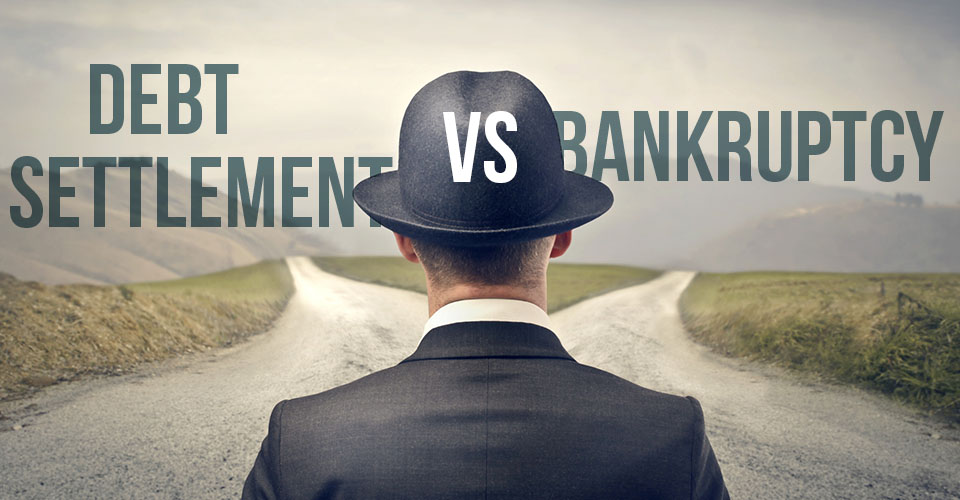
Personal Debt Analyzing Debt Settlement vs. Bankruptcy. What Is Right For Me?

Debt Settlement vs. Bankruptcy

In these uncertain times debt can be a scary proposition for anyone. When your debts become overwhelming, you begin searching for relief. Debt settlement and bankruptcy are solutions to the same problem – What are the most direct methods for getting out of debt? — but they can take very different tolls on your future financial well-being. If your debts are so massive that you can’t imagine repaying them, it’s time to consider both options.

Bankruptcy can offer the fastest path out of debt, but the long-term impact on your creditworthiness is severe. A bankruptcy will stay on credit reports from seven to 10 years, which will greatly impede your ability to get a loan, receive a credit card or buy a home. Bankruptcy, which is adjudicated in federal court, either wipes out your personal debt (Chapter 7) or creates a plan for repaying creditors (Chapter 13).

Debt settlement doesn’t require a court filing and, unlike bankruptcy, can often be handled without a lawyer or financial counseling. A settlement is a deal you negotiate with creditors to pay less than the amount owed.

Why would creditors want to settle your debts for less than you owe?

They know that you can always file for bankruptcy, which could eliminate their ability to collect anything from you. So, they are frequently willing to accept less than they are owed through debt settlement.

If you conclude that you can’t even afford debt settlement, bankruptcy could be the best option.

Personal bankruptcy comes in two varieties: Chapter 13 is essentially a payment plan that takes three to five years; Chapter 7 clears your personal debts but comes with potential pitfalls. If you own a home, you will be able to keep it under Chapter 13, though you will need to make mortgage payments after you exit bankruptcy court. Chapter 7 doesn’t offer that guarantee. Some states allow bankruptcy trustees to sell your home to raise money to repay creditors. Chapter 7 also has income limits that requires you make less than your state’s median income for a family your size.

Bankruptcy frees you from debt collection, but the headaches can linger for years. Debt settlement without bankruptcy can take more time, but if negotiated properly can do far less damage to your credit. Understanding the pros and cons of debt settlement vs. bankruptcy and making the smartest choice can have a big impact on your future finances.

Choosing Debt Settlement or Bankruptcy

Impact of Bankruptcy and Debt Settlement on Credit

Both bankruptcy and debt settlement can have an adverse impact on your creditworthiness and can lower your credit, or FICO, score for years. Bankruptcy, no matter which chapter you file under, is certain to bring down your score. The better your score is to begin with, the more it will drop.

A Chapter 7 bankruptcy remains on your credit report for 10 years from the date of filing; a Chapter 13 stays on the report for seven years. Accounts associated with a bankruptcy or debt settlement are removed from your report seven years after they initially become delinquent.

Bankruptcy laws regulate what happens to your money when your case is settled. Chapter 7 cases typically clear your debts, while Chapter 13 requires partial repayment. A bankruptcy judge will decide how much you need to repay based on laws in your state.

Debt settlement typically requires that you make a lump sum payment to clear your account. If you are unable to pay that amount right away (most people in default can’t), you’ll have to stop paying your credit card bills until you save enough to settle the debt. Stopping payment can further damage your credit and expose you to late fees, additional interest charges, collection efforts and lawsuits.

The possible advantage to settlement is that in exchange for a payment, creditors will sometimes agree not to report the settlement to the three major credit-rating bureaus. Your earlier credit problems probably have damaged you credit score, but if the settlement isn’t reported, it may take less time to rehabilitate your credit score.

Debts

Advantages to Chapter 7 bankruptcy:

  • Clears most debts and offers a financial fresh start.
  • Doesn’t require the filer to pay taxes on unpaid debts.
  • Prevents creditors from pursuing collections.

Disadvantages to Chapter 7 bankruptcy:

  • Damages credit report for 10 years.
  • Some states allow seizure and sale of you home and other properties. You should review what is exempt in your state.
  • Requires that you wait eight years before filing again under Chapter 7.

Advantages to Chapter 13 bankruptcy:

  • Protects your property, including your house and car, from foreclosure and repossession to cover debts.
  • After you complete required payments, you receive a discharge of debt.
  • You aren’t required to pay taxes on forgiven debt.
  • Waiting period before you can file again is two years – six years less than under Chapter 7

Disadvantages to Chapter 13 bankruptcy:

  • Requires that you follow a court-ordered payment plan that lasts three to five years.
  • Reduces your credit score for years, making it difficult to borrow money or obtain credit.

Other Considerations:

Learn how long bankruptcies stay on your credit report. Before any lender extends you a loan, they will pull your credit report. Accordingly, you want your credit report to look as good as possible. Unfortunately, your bankruptcies will stay on your reports for years.

  • A chapter 7 stays on your report for 10 years after you file.  Your credit score can fall 150 points or more. The higher your score, the more it will fall.
  • A Chapter 13 stays on your report for seven years after you file. Your credit score will also be lowered.

Understand the effect of debt settlement on your credit report. Debt settlement negatively affects your credit report because you typically stop making payments to your creditors as you save up money to make a lump sum offer. (If you can save money while continuing to pay your monthly debts, then you probably don’t need to consider debt settlement or bankruptcy in the first place).

  • By missing payments, your creditors will probably report the debt as in default. If you wait long enough (such as 180 days), the debt gets charged off and sold to collections. This type of negative information will stay on your credit report for years. For example, a collections account can stay on your report for seven years.
  • However, creditors don’t have to report negative information to the credit bureaus. Instead, you might negotiate an agreement where they won’t report it.

Contact Us:

We understand debt settlement and bankruptcy is a challenging topic to face both financially and emotionally. The processes can become very complicated in a system that is difficult to navigate and frequently changes. Consulting with a good lawyer as soon as possible is incredibly important to the success of your debt settlement or bankruptcy strategy. At JLG Lawyers we offer solutions to help advise you and answer questions all the way to a full attorney handled case. Contact us now for a free case review and strategy session.

JLG Lawyers and Michael Jaurigue, Esq. are located in Glendale, California and specialize in debt settlement and bankruptcy matters. Michael Jaurigue is a UCLA and Berkeley Law graduate and has been practicing law for 20 years in Los Angeles and worked at Sheppard, Mullin, Richter, and Hampton representing several Fortune 100 clients prior to forming his own firm 10 years ago. JLG Lawyers is located at 300 W Glenoaks Blvd. Suite 300, Glendale, California 91202. 818-630-7280.

Life After Bankruptcy, How Does It Affect My Credit?

Consequences of Bankruptcy

A Fresh Start, Just Ahead

In these uncertain times a large number of people will be facing financial challenges that are scary and often times insurmountable. It is important to research and carefully consider the impact debt settlement or bankruptcy will have down the road. In certain cases bankruptcy may be inevitable, in which case planning is of upmost importance to a successful strategy. JLG Lawyer’s experienced team can help answer questions and map out a strategy that is right for you and your family.

Perhaps the most well-known consequence of bankruptcy is the loss of property. As previously noted, both types of bankruptcy proceedings can require you to give up possessions for sale in order to repay creditors. Under certain circumstances, bankruptcy can mean losing real estate, vehicles, jewelry, antique furnishings and other types of possessions.

Your bankruptcy can also affect others financially. For example, if your parents co-signed an auto loan for you, they could still be held responsible for at least some of that debt if you file for bankruptcy.

Finally, bankruptcy damages your credit. Bankruptcies are considered negative information on your credit report, and can affect how future lenders view you. Seeing a bankruptcy on your credit file may prompt creditors to decline extending you credit or to offer you higher interest rates and less favorable terms if they do decide to give you credit.

Depending on the type of bankruptcy you file, the negative information can appear on your credit report for up to a decade. Discharged accounts will have their status updated to reflect that they’ve been discharged, and this information will also appear on your credit report. Negative information on a credit report is a factor that can harm your credit score.

Getting a Credit Card or Loan after Bankruptcy

Bankruptcy information on your credit report may make it very difficult to get additional credit after the bankruptcy is discharged — at least until the information cycles off your credit report. Lenders will be cautious about giving you additional credit, and they may ask you to accept a higher interest rate or less favorable terms in order to extend you credit.

It will be important to begin rebuilding your credit right away, making sure you pay all your bills on time. You’ll also want to be careful not to fall back into any negative habits that contributed to your debt problems in the first place.

Getting a Mortgage After Bankruptcy

Just as bankruptcy can hinder your ability to obtain unsecured credit, it can make it difficult to get a mortgage, as well. You may find lenders decline your mortgage application, and those that do accept it may offer you a much higher interest rate and fees. You may be asked to put up a much higher down payment or shoulder higher closing costs.

Rather than give up your home and try to get a new mortgage after bankruptcy, it may be better to reaffirm your current mortgage during bankruptcy proceedings. You would be able to keep your home, continue paying on your current mortgage — free of other debts — and stay in your current home.

Bankruptcy Alternatives

When you’re struggling with unmanageable debt, bankruptcy is just one solution; there are others to consider. Most will also affect your credit, but probably not as badly as a bankruptcy — plus, these alternatives can allow you to keep your property, rather than having to liquidate it in bankruptcy proceedings.

Some bankruptcy alternatives you might consider are:

Debt Relief
  • Seek help from a government-approved credit counselor or debt management plan. A counselor can work with your creditors to help arrange a workable plan for repaying what you owe.
  • Take out a debt consolidation loan. These types of loans can aggregate multiple high-interest, costlier debt into a single, lower-interest loan. Research debt consolidation loans to see if consolidation can lower the total amount you pay and make your debt more manageable.
  • Approach your creditors and see if they’re willing to agree to a more manageable repayment plan. Defaulting on your debt is not something your creditors want to see happen to you, either, so they may be willing to work with you to arrange a more achievable repayment plan. Settling your debt will have a negative effect on your credit scores.

Be aware that whenever you fail to honor the debt-repayment terms you originally agreed to, it can affect your credit. That said, bankruptcy will still have a more significant negative impact on your credit than will credit negotiation, credit counseling and debt consolidation.

A Last Word About Debt Relief

Whenever you fail to repay a debt as you originally agreed to, it can negatively affect your credit. Some types of debt relief come with consequences that are more damaging and long-term than others. Before you make any decision about debt relief, such as declaring bankruptcy, it’s important to research your options, get reliable advice from a qualified credit counselor, and understand the impact your choices can have on your overall financial well-being.

Regardless of what type of debt relief you choose, you can begin taking better care of your credit immediately by putting simple, responsible, credit-positive actions into practice such as:

  • Paying all your bills on time.
  • Avoiding taking on additional debt.
  • Monitoring your credit report.
  • Creating and sticking to a personal budget.
  • Using credit in small ways (such as a secured credit card) and paying the balances in full, right away.

Contact Us:

We understand debt settlement and bankruptcy is a challenging topic to face both financially and emotionally. The processes can become very complicated in a system that is difficult to navigate and frequently changes. Consulting with a good lawyer as soon as possible is incredibly important to the success of your debt settlement or bankruptcy strategy. At JLG Lawyers we offer solutions to help advise you and answer questions all the way to a full attorney handled case. Contact us now for a free case review and strategy session.

JLG Lawyers and Michael Jaurigue, Esq. are located in Glendale, California and specialize in debt settlement and bankruptcy matters. Michael Jaurigue is a UCLA and Berkeley Law graduate and has been practicing law for 20 years in Los Angeles and worked at Sheppard, Mullin, Richter, and Hampton representing several Fortune 100 clients prior to forming his own firm 10 years ago. JLG Lawyers is located at 300 W Glenoaks Blvd. Suite 300, Glendale, California 91202. 818-630-7280.

Famous Celebrities You May Not Have Known Filed Bankruptcy Including Wayne Newton, MC Hammer, Mark Twain, and More.

Bankruptcy Is More Common Than You Think.

Wayne Newton

During these uncertain times it is easy to get lost in the day to day negative press and lack of clarity about the future. It’s important to take everything in stride and realize that financial difficulties happen to the best of us, and should be looked at as a starting point of a new, successful journey. People facing financial difficulties often feel like they are the only ones having money troubles. They often feel embarrassed and isolated from the rest of the community. They are reluctant of file for bankruptcy because they are afraid they will be considered failures and irresponsible by the public. They do not realize that many people, including famous celebrities, have faced similar financial difficulties and filed for bankruptcy to discharge their debts. This article will discuss some of these famous people including artists, athletes, authors, actors and businessmen who filed for bankruptcy.

Rembrandt Haremenszoon Van Rijn, 1606-1669, the famous Dutch painter, accumulated more debts than he could repay and filed for bankruptcy at the age of 50 in 1656. Jacob Peter Thomasz, a lawyer, supervised the sale of his assets in 1657 and 1658. Many of Rembrandt’s paintings and his house were sold at an auction. After the bankruptcy, he continued to paint but was not allowed to fsell his works directly to customers. He was able to circumvent this law by having his son take over his business and sell his paintings.

Phineas Taylor Barnum, 1810-1891, the greatest American showman, filed for bankruptcy in 1871 due to losses he incurred in unwise business ventures. After bankruptcy he organized his famous circus, “The Greatest Show On Earth.” In 1881 he merged his circus with his most successful competitor, James A. Bailey, under the name of Barnum and Bailey Circus.

Mark Twain, (Samuel Langhorne Clemens), 1835-1910, pre-eminent American author, lost most of his money investing in a worthless machine called the Paige Compositor, an automatic typesetting machine. He filed for bankruptcy in 1894 and discharged all his debts, but was determined to repay the debts. He knew he could earn money by giving lectures to large audiences, so he traveled to Europe and spent the next four years lecturing in every major city. He used the proceeds from these lectures to repay all his debts. He also wrote several of his more famous books after filing bankruptcy including Pudd’nhead Wilson and Following the Equator.

Mathew Brady, 1823-1896, distinguished Civil War photographer, filed for bankruptcy in 1872 in Washington, D.C. when, after the Civil War, people lost interest in his work and he became unable to pay his business fdebts. Three years after he filed for bankruptcy the United Stated War Department agreed to purchase part of his photography collection for $25,000.00. He then reopened his gallery and was successful in attracting new clients for his work.

Henry John Heinz, 1844-1919, condiment manufacturer, started his company in 1869 selling horseradish, pickles, sauerkraut and vinegar. In 1875 the company filed for bankruptcy due to an unexpected bumper harvest which the company could not keep up with and could not meet its payroll obligations. He immediately started a new company and introduced a new condiment, tomato ketchup to the market. This company was, and continues to be, very prosperous.

Oscar Wilde, 1854-1900, acclaimed poet and author, was forced into bankruptcy in 1895. He had earlier been convicted of homosexual activity, which in England was illegal at that time, and was sentenced to two years in prison at hard labor. He was declared a bankrupt on November 12, 1895 and his property was auctioned off. After being released from prison he published his poem, The Ballad of Reading Gaol. His health was affected by his prison experience and he died at the age of 46.

Milton Snavely Hershey, 1857-1945, founder of Hershey’s chocolate, started four candy companies that failed and filed bankruptcy before starting what is now Hershey’s Foods Corporation. Mr. Hershey had only a 4th grade education, but was certain he could make a good product that the public would want to purchase. His fifth attempt was clearly successful.

Henry Ford, 1863-1947, automobile manufacturer, first two automobile manufacturing companies failed. The first company filed for bankruptcy and the second ended because of a disagreement with his business partner. In June 1903, at the age of 40, he created a third company, the Ford Motor Company with a cash investment of $28,000.00. By July of 1903 the bank balance had dwindled to $223.65, but then Ford sold its first car, and as they say the rest is history.

Mickey Rooney, 1920- , movie actor, blames alcohol and gambling for the financial problems he suffered in the early 1960’s. He owed the Internal Revenue Service $1.75 million and filed for bankruptcy in 1962. After the bankruptcy he continued to act and has had many roles in movies and television. He is still performing live shows today.

Debbie Reynolds, 1932- , movie actress, purchased a hotel in Las Vegas in 1992 and called it the Debbie Reynolds Hotel and Casino. She thought she could operate the hotel successfully, however, it was plagued by a weak cash flow almost from the start. In July 1997 the hotel filed for Chapter 11 bankruptcy and Ms. Reynolds filed for personal bankruptcy. The hotel was sold at auction in 1998 to the World Wrestling Federation.

Johnny Unitas, 1933-2002 , legendary Hall of Fame football quarterback, was a great athlete but a terrible businessman. Each of his business ventures, including bowling alleys, land deals and restaurants, was unsuccessful. He filed for Chapter 11 bankruptcy in 1991. Other football players who filed for bankruptcy include Tony Martin and Lawrence Taylor.

Jerry Lee Lewis, 1935- , famous Rock n’ Roll star, filed for bankruptcy in 1988 because of huge tax debts. The IRS seized his cars, furniture, baby grand piano and even showed up at his concerts to collect ticket sales. He has since recovered from bankruptcy and still gives live concerts.

Burt Reynolds

Burt Reynolds, 1936- , movie actor, filed for bankruptcy in 1996 in Florida after his much publicized divorce from Loni Anderson. He had more than $10 million in debt. His dinner theater was foreclosed on by the mortgage lender and his ranch was sold. Since his bankruptcy he has continued to act in movies and was awarded the Golden Globe for Best Supporting Actor in the film Boogie Nights.

Sherman Hemsley, 1938-2012) , TV actor who played George Jefferson in All in the Family, filed for Chapter 13 bankruptcy in June of 1999. He did not have sufficient funds to repay a $1 million loan from a Las Vegas investment corporation and pay taxes he owed to the IRS. He later dismissed the case and worked out his debt outside court.

Marjorie Margolies Mezvinsky, 1942- , former member U.S. House of Representatives from 1993 to 1995, filed for Chapter 7 bankruptcy in February 2000. She was denied a discharge however because she failed to satisfactorily explain and disclose what happened to all her assets.

Wayne Newton, 1942- , Las Vegas entertainer, filed for Chapter 11 bankruptcy in 1992 listing more than $20 million in debt. A few years later he signed a new contract with Stardust Hotel which pays him reportedly over $25 million per year for performing at the hotel 40 weeks a year for 10 years.

Kim Basinger, 1953- , actress, earned so much money from her movies that she was able to purchase the town of Braselton, Georgia. After the purchase she was sued for breach of contract for pulling out of the movie, Boxing Helena. She was not able to pay the damages resulting from the suit and filed for bankruptcy in 1993. As part of her bankruptcy she sold the town. She later married Alec Baldwin, had a child and won an Oscar for her role in the movie L.A. Confidential.

MC Hammer (Stanley Burrell) 1962- , musician and entertainer, filed for Chapter 11 bankruptcy in 1996 because he did not have the income to support his lavish lifestyle and defend all the lawsuits that were filed against him.

Walt Disney, 1901-1966, cartoon creator, filed for bankruptcy in 1920 after his main client of his new business filed bankruptcy. Disney said he could no longer pay his employees or the rent and had no choice but to file bankruptcy himself. In 1923 her formed a new company with a loan from his parents and his brother. In 1928 her created “Mickey Mouse” and the rest is history.

Larry King, 1933-, talk show host, filed for bankruptcy in 1960 and then again in 1978. He said each time that he was deep in debt.

Donald Trump, 1946-, businessman, filed a Chapter 11 bankruptcy case for his casino empire in 2004 to reorganize his business after negotiations with his creditors failed. This was the second bankruptcy case for his casino business, in 1992 he had filed Chapter 11 bankruptcy for his casino business. He is now the President of the United States.

Mike Tyson, 1965-, professional fighter, filed a Chapter 11 case in August of 2003 because he was not able to pay all his bills.

Sammy Kershaw, 1958- , country music singer, filed a Chapter 13 bankruptcy case in February 2007. He had some major hits during the early 1990’s, but nothing recently. He was facing financial difficulties with a restaurant he owned.

Stephen Andrew Baldwin, 1966-, actor, played in movies such as The Beast and Born on the Fourth of July and was Barney Rubble in the Flintstone’s Viva Rock Vegas. In 2008, he was on TV in Donald Trump’s Celebrity Apprentice. He is also a minister and appears weekly on a Christian radio show. He filed for Chapter 11 on July 21, 2009 after he defaulted on his mortgage loan. He claims to owe more than $2.3 million in debt.

Jose Conseco, 1964-, baseball player, born in Cuba and moved to the U.S. as an infant with his family. In 1988, he became the first player in major league history to hit 42 home runs and steal 40 bases in the same year. In 2005 he admitted to using anabolic steroids. In 2008 his house was sold at foreclosure and he filed for Chapter 7 bankruptcy.

Vince Neil (Wharton), 1961-, singer, He joined the band Motley Crue in 1981 and recorded such hits as Dr. Feelgood and Girls, Girls, Girls. In 1992 he left Motley and went solo recording Exposed, which debuted at number 13 on the Billboard charts. In 1995 his daughter died of childhood cancer of the kidneys ad he established the Skylar Neil Foundation in her honor. It funds cancer research. In 1998 he filed for Chapter 7 bankruptcy, but was later not satisfied with his bankruptcy lawyer and thought he was negligent in handling his case. The judge refused to reopen the case. Mr. Neil has since started several business ventures.

Anna Nicole Smith, (1967-2007), former playmate model, filed bankruptcy in 1996 as a result of an $850,000 judgment against her, as she was left without funds following the death of her wealthy elderly husband, J. Howard Marshall. The Supreme Court recently issued an important ruling in her bankruptcy case in which it held that bankruptcy court judges may not rule on non-bankruptcy law matters.

Abraham Lincoln, (1809-1865), 16th President of the United States of America, declared bankruptcy in 1833 because of a failed business. He was required to repay his creditors over a period of 17 years, much longer than the maximum requirement in a Chapter 13 today, which is 5 years.

George McGovern (1922-2012) former presidential candidate, filed a bankruptcy case for his business in 1991. He had invested in a hotel in Connecticut which failed.

Cyndi Lauper, (1953- ), singer, filed bankruptcy in 1981 after splitting up with her band, Blue Angel, and being sued by her manager for breach of contract. In 1984 she released her hit “Girls Just Want To Have Fun.”

Lynne Spears, (1955- ), mother of Britney Spears, filed for bankruptcy in 1998 with her then husband James, just before Britney’s career took off.

Zsa Zsa Gabor, (1917- ), actress, filed bankruptcy in 1933 after a judgment was entered against her for libel for more than $1 million dollars.

Dione Warwick, (1940- ), Grammy award winning singer, filed Chapter 7 in 2013 due to mismanagement of her business affairs and owing more than $7 million to the IRS.

Casey Anthony(1986- ), young mother acquitted of murdering her 2 year old daughter, filed Chapter 7 listing more than $800 thousand in debt.

Janice Dickinson(1955- ), former supermodel and judge on America’s Next Top Model, filed bankruptcy in 2013 due to large medical bills and past due taxes.

Michael Vick, (1980- ), football star, filed for Chapter 11 bankruptcy in July of 2008 while he was still serving time in jail for illegal dog fighting. His plan of reorganization was approved by the court in 2009.

Contact Us:

We understand debt settlement and bankruptcy is a challenging topic to face both financially and emotionally. The processes can become very complicated in a system that is difficult to navigate and frequently changes. Consulting with a good lawyer as soon as possible is incredibly important to the success of your debt settlement or bankruptcy strategy. At JLG Lawyers we offer solutions to help advise you and answer questions all the way to a full attorney handled case. Contact us now for a free case review and strategy session.

JLG Lawyers and Michael Jaurigue, Esq. are located in Glendale, California and specialize in debt settlement and bankruptcy matters. Michael Jaurigue is a UCLA and Berkeley Law graduate and has been practicing law for 20 years in Los Angeles and worked at Sheppard, Mullin, Richter, and Hampton representing several Fortune 100 clients prior to forming his own firm 10 years ago. JLG Lawyers is located at 300 W Glenoaks Blvd. Suite 300, Glendale, California 91202. 818-630-7280.

Chapter 7 Bankruptcy Tips

Chapter 7 Bankruptcy: What to Avoid Before Filing

For a trouble-free Chapter 7 bankruptcy, avoid these transactions before filing.

If you’re considering bankruptcy, there are many things that you may innocently or accidentally do with your finances, which could hurt your bankruptcy case, even if you don’t plan to file for many months. It’s usually best to talk to a lawyer when planning for bankruptcy, but even before you do so, take care to avoid the below financial transactions. This will ensure that your bankruptcy filing goes smoothly and will help to avoid challenges by creditors or the trustee.

Don’t Transfer Money or Property

Many consumers think that transferring their assets to their mothers’ bank accounts, or putting them in their wive’s names, will protect them. But transferring assets out of your name won’t protect them from the reach of the bankruptcy court. And worse, such transfers could lead a bankruptcy court to find that you have committed fraud. This is true even if you transferred the property innocently, without any intention to conceal assets.

A few examples of transfers that might get you in trouble include:

  • changing title to a child’s or spouse’s car which is in your name, into the name of your child or spouse
  • changing the name on bank accounts, or eliminating your name from accounts which are held jointly with others
  • eliminating your name as an owner on business ventures
  • depositing funds or moving funds into bank accounts belonging to others, and
  • deeding real property in your name to another person, even if it’s a legitimate transaction where real value is paid.

Many consumers move property or funds out of their name, for fear of losing them in bankruptcy. However, having assets does not mean that you cannot file a bankruptcy nor that you will necessarily lose them. An attorney will be able to tell you the best way to deal with assets that you fear may be exposed when you file a bankruptcy.

Don’t Pay Creditors

Many consumers want to “do the right thing,” and pay certain creditors in full before filing for bankruptcy. For example, they may want to make sure mom’s loan gets paid, or that the people at Discover who have been very nice to them get paid in full. These transactions are prohibited.

You certainly can pay your bills as you would in the normal course of business. If you incur $100 on American Express this month, you can pay it off next month, as you ordinarily would. However, you cannot make a payment out of the ordinary, to satisfy a creditor in full. These payments are called preferential transfers. They may even lead to “claw back” lawsuits, where the bankruptcy court representative (called the bankruptcy trustee) sues the entity or person that you paid, to get the money back. (For more on how this works, see  Bankruptcy Clawbacks of Preferential and Fraudulent Transfers.)

Don’t Use Credit Cards

Unless you absolutely need to incur extra credit card debt for the necessities of life, such as gas, housing, or food, you should stop using your credit cards completely. You can continue to use debit cards which withdraw directly from your bank account.

Don’t Make Unusual Deposits Into Your Bank Account

Do not deposit any money which is not considered salary or payment to you, into your bank account. Examples would be depositing money in your account as a favor to others, or which is not your money. Consumers with small businesses also should refrain from conducting transactions for the business through their personal accounts.

Don’t Sue Anybody

Any legal claim that you have is an asset that can be taken by the bankruptcy court, even if the case is unresolved, or if the amount you may be entitled to is undetermined. In fact, even claims that you may have against others that have not been filed in court, is property of the bankruptcy estate. If you have a pending legal claim (whether it’s a lawsuit or not), talk to a lawyer before filing for bankruptcy.

Think Carefully Before Taking Actions That Would Result in Future Payments

Funds that are not actually in your possession, but which you expect to be get in the future, are part of your bankruptcy estate. If you are filing for Chapter 7 bankruptcy, the bankruptcy trustee can take this money and use it to repay your unsecured creditors. Examples include agreeing to accept a future bonus at work, accepting an inheritance which will be paid in the future, or filing tax returns that entitle you to a refund. If you are expecting to receive any payments or money in the future, talk to a bankruptcy attorney.

Waiting to File

Most of the above mistakes can be cured simply by waiting to file. There are “look back” periods for many types of transfers or actions — which means the bankruptcy court will examine certain types of transactions only within a certain period of time before you file. By delaying the filing of your bankruptcy until these periods have expired, you may be able to avoid problems.

When To Write Your Will

There are a few big life events that can happen to a person that can bring up the question “is it time I write my will?” This can sometimes happen after a medical diagnosis or when you have your first child. For everyone, deciding when to write your will is going to be different based on the individual’s experiences. Here are a few big life events where you should consider drafting up your will.

After The Wedding

Combining your family and assets is a perfect occasion to create a will. This will also have an affect on your beneficiaries. The same idea applies in situations of divorce as well.

Your First Child

This one is obvious. When drafting your will after having children, you are considering them first and foremost and what is important for you to leave behind. You will have more control of how to divide your assets and who you want to appoint as guardian. Once your child or children have reached legal age (or after your family has grown in numbers), it’s a good idea to revisit the will for any revisions you might want to make.

Medical Diagnosis

This can apply to you, a family member, or a friend. Witnessing tough medical diagnoses can have a big affect on how you see your future. Whether you personally are facing these experiences, or someone you know is facing a difficult time, this is a good time to consider creating your will.

Making Large Investments

Buying a house? Beach home? Rare collectibles? Whenever making a large investment, it’s a good idea to put some focus on the will, even if you are just adding assets.

It’s Just Time

No real excuse to write your will, but you’re still considering it? If you already have property and assets you want to protect, there’s no better time than now. Not much to your name? Maybe now isn’t the right time. Don’t overthink it. If you have any questions about Estate Planning, don’t hesitate to call us at 818-630-7280 for a free 30 minute consultation.

How To Stop Robocalls From Reaching Your Phone and Your Rights

According to research done by the communications security firm First Orion, from 2017 to 2018, the amount of spam calls placed jumped from 3.7% to 29.2%. In 2019, it’s expected that almost half of all cell phone calls will be spam calls if this trend continues.

The first step you can take to minimize the amount of robocalls you receive is to put your number on the National Do Not Call Registry, which is maintained by the Federal Trade Commission. However, since there are many marketers who will ignore the registry, another way to filter these calls is to let an app screen your calls. Some apps that carriers offer for free include T-Mobile Scam Block, Sprint Premium Caller ID, Verizon Call Filter, and AT&T Call Protect. Additionally, there are third-party apps which are designed and widely used to smartly block spam calls such as YouMail, Truecaller, Hiya, and RoboKiller.

If a specific spam caller continues to reach you after taking these steps, the good news is you can easily block that number. However, if several robocalls continue to get through after taking these steps, you can take advantage of your iPhone’s “Do Not Disturb” feature. This will allow you to change your settings so that you are only notified of calls and texts from the contacts you choose, sending any unknown numbers directly to voicemail.

The Telephone Consumer Protection Act (TCPA) generally regulates advertising over the phone in-cluding robocalls and the sending of text messages. Unsolicited robocalls and text messages are harassing and annoying, and they can cost you by using your wireless-plan minutes or by having you incur other charges. The TCPA allows consumers subjected to prohibited conduct to file a lawsuit to recover statutory damage amounts of $500 to $1500 per violation.

If you believe you have received an illegal advertising call or text, please call us today at 818-630-7280 for a free consultation.

An Option to Reorganize and Save Your Business

If your company has faltered on the road to success, and debts have overtaken your ability to pay them, Chapter 11 Bankruptcy is an option to reorganize your business. Filing a Chapter 11 bankruptcy does not require closing your doors or selling the company to appease the debtors. Instead, it is a legal way to end collections harassment and come up with a plan for repayment of debts, capital improvements and future success. The question of whether to file a Chapter 11 bankruptcy usually comes down to having limited options.

Of course, other chapters of bankruptcies may be considered, but they frequently require downsizing, selling off assets, or closing up shop completely. If you want to hold on to your company and still believe that it can succeed over time, Chapter 11 gives you that opportunity. The majority of Chapter 11 bankruptcy cases are filed by business entities such as LLCs, and large corporations. Individuals are also eligible to file for Chapter 11 and it can be the best option for someone who is highly leveraged with valuable or cash flowing assets. In some cases, this is the only way to hold on to a company and remain solvent when income fails to meet expenses. JLG Lawyers delivers a professional and customized approach to your specific needs, depending on the situation at hand. If you believe that your company might benefit from a Chapter 11 bankruptcy, call our office at 818-630-7280 to schedule a free consultation with an attorney.