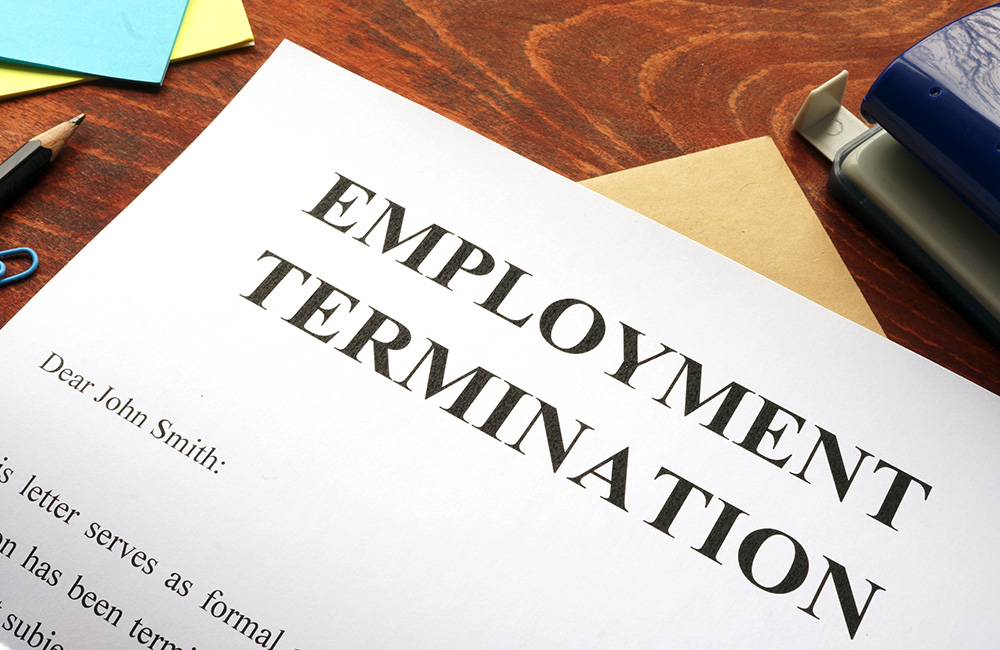


medical discrimination of an employee

Medical Discrimination

Medical Condition Discrimination

Medical condition discrimination denies the employee what should have been rightfully theirs if it weren’t for their medical conditions. In the workplace, as far as the law is concerned, employers are not allowed to engage in any form of discrimination against any individual due to their medical condition. In practice, employers are to instead offer due accommodation to their employees who live with a medical condition.

The only ground exempting them from this obligation is when providing such accommodation facility results in extreme hardship. Depending on their medical situation, certain employees who feel discriminated against can bring an action against their victimizing employers for damages. In this piece, we’ll highlight and elaborate on certain details that survivors of discrimination practices need to keep in mind before considering filing a suit for discrimination.


Employers are not to refuse to hire anyone with a medical condition

Employers are expected to assess job prospects with little to no regard for their supposed or real medical conditions. Discrimination based on medical condition is outlawed in any form of hiring which includes:

  • Refusal to offer decent accommodation
  • Refusal to participate in a timeous, well-intentioned interactive session with employees who need a reasonable accommodation
  • Demotion
  • Pay reduction
  • Promotion denial
  • Refusal to hire
  • Denial of benefits
  • Harassment
  • And any other discrimination in any manner due to the employee’s med conditions.

Interestingly, it’s great you know that the enactments against medical condition discrimination are not restricted to employers. Similarly, they apply to labor organizations and unions. These organizations are forbidden from attempting the exclusion, expulsion, and restriction of memberships to a certain individual because of their national origin. Moreover, this type of discrimination is relevant to employment agencies and apprenticeship training schedules.


The legal forms of medical conditions that both California and US federal legislations protect against

The relevant law for general discrimination and employment issues in California is the California Fair Employment and Housing Act (FEHA). Under California law, a “medical condition” is regarded as any of the following:

  • Any health deficiency linked to a finding of cancer or a history or record of cancer
  • Genetic characteristics

Medical conditions also intersect with physical or mental disabilities. A “mental disability” accounts for any psychological or mental condition that restricts the main life activity. These restrictions are assessed with little to no concerns about assistive tools, mediation, or decent accommodations. Examples of mental disabilities may account for chronic ailments such as schizophrenia, anxiety disorder, dementia, clinical depression, bipolar disorder, and others. Physical disabilities involve temporary or permanent conditions such as impaired eyesight, impaired hearing, chronic diseases, hepatitis, diabetes, etc.


The Issue of Medical exams to qualify for a job

Where other probable employees aren’t expected to attempt medical exams, employers can’t request a job prospect to attempt such exams either. Also, if the exams have little or nothing to do with the business expediencies, there’s no point, according to law, demanding such exams. Inexact application questions and improper interviews may be a symptom of likely violations of medical condition discrimination.

Most times, interviewers designated by employers request answers to issues of general health, med condition, physical or mental disability. This should not be so. However, it is one thing for the employer to want to know more about if applicants can carry out the core tasks of the work and how they’d carry out such work. And, this may be permitted. But, if an employer goes to the extreme of asking general or specific medical questions which can be adjudged as making the response a determinant to getting the job, there’s certainly fire on the rooftop.

The only reasons your employer may ask you questions relating to your medical state are these:

  • The employer feels the employee can’t carry out a job effectively due to a medical condition
  • The employer needs some medical report to effectively assist the employee with decent accommodation.


What Reasonable Accommodation means

Do you wonder what “reasonable accommodation” would be? A reasonable or decent accommodation goes farther than barely arranging some structural facility for the employee or prospect living with a medical condition. Indeed, reasonable accommodation refers to any arrangement that will let the applicant or employee carry out the core job functions. This would account for

  • Reshuffling the job;
  • Adjusting work schedules;
  • Part-time scheduling;
  • Reassigning to an unfilled position;
  • Modifying to training materials
  • Adjusting equipment
  • Adjusting work policies

Unless it would result in extreme hardship, the employer is responsible for providing reasonable accommodation to the employee. In defining “undue hardship”, the cost and nature of the facility would be considered. Moreover, the general fiscal resources relevant to making the facility available will be looked at as well. Again, the form of operations of the personnel of the organization will also be considered.


Filing a complaint on medical condition discrimination

Discriminating against an employee due to their medical condition violates the law in California and the US. On the federal scene, there is the Equal Employment Opportunity Commission (EEOC) which imposes federal Anti-discrimination laws. At the state level, the California Department of Fair Employment and Housing (DFEH) deals with applications against medical condition discrimination.

Before you file a discrimination lawsuit, it’s advisable you talk the issue over with a supervisor or HR to try and resolve it. If your efforts yield no result, then you may lodge a complaint with the DFEH or the EEOC.

In certain cases, the law in California provides comprehensive protections against discrimination issues than the federal legislation. If you want to file your complaint personally in California, it’s required you exhaust all prior administrative facilities before doing so. However, if you engage an attorney to do that for you, your attorney, without needing to wait for some administrative procedure, can get an instant right to sue notice.


Suing your employer for medical condition discrimination in California

It’s your civil right to enjoy the opportunity of seeking and holding employment without any discrimination based on a medical condition. Generally, an employee needs to just file a complaint in a civil court. This demands getting “a right to sue’ notification before you can take your case to court. Bringing an action in court is only advised if you’ve got an attorney. Without needing to wait for any investigation by the DFEH, your attorney can help you obtain the notice and file your matter in a civil court in California.


Employer’s Retaliation against workplace discrimination lawsuits

If your employer moves to retaliate against you for reporting discrimination, you can file a complaint with the DFEH. An employer should not fire an employee for bringing a workplace discrimination lawsuit. Doing so is likely to be considered a retaliatory move, and may be regarded as wrongful termination.


 

Workplace Safety in California

Workplace Safety in California

Are you concerned about the safety of your life and health at your workplace? Are you worried about who is responsible for what when it comes to addressing safety protocols at work? Look no further – the California Division of Occupational Safety and Health (Cal/OSHA), the agency overseeing the compliance with the applicable health and workplace safety laws in California is with you. One thing you need to get clearly is that the law recognizes your right to the enjoyment of a safe and healthy workplace in discharging your day-to-day duties.

Conversely, that is to mean your employer has a duty of care in this regard. Also, it’ll interest you to discover that, courtesy of the COVID-19 pandemic, as you would later read in this piece, the standard of this duty of care seems to have been raised. The thrust of this edition is to offer a simple summary of the primary employer adherence responsibilities under the professional health and safety laws in California.

Curiously, you’d agree with us that a secure work environment is significant for sustaining personnel morale and remaining competitive. Sadly, there are huge costs in managing workplace eventualities by way of property destruction, employee compensation overheads, lost productivity, which cannot be overemphasized. To protect both life and property, compliance with workplace orders is important resulting in grave penalties for not complying.

Burning Legal Issues

Interestingly, one of the front-row states that have got a working health and occupational safety program in place is the State of California. Today, in what is known as “Safety Orders”, the state of California has enacted health and safety orders in their thousands. These “Safety Orders” usually address matters more carefully than most of the federal law counterparts. An effective workplace health and safety compliance in California demands an exhaustive recognition of the standards in California. In essence, it considers the way investigations operate and how California demands higher penalties for willful or recurring violations.

What’s the Law in California?

In 1973, the California Occupational Safety and Health Regulations were promulgated. With a few exceptions, employers of labor in California are required to take to Cal/OSHA. As one of the 25 states whose safety and health programs have the federal government’s approval, such plans, if they exist, precede the federal OSHA.

The Cal/OSHA covers nearly every employer and employees (civil servants inclusive) in California. Although federal employers are exempted, they are obligated under the requirements of the federal OSHA. Back in California, the Department of Industrial Relations (DIR) within the Labor and Workforce Development Agency of the state is primarily responsible for overseeing the Cal/OSHA program. Other major units relevant to Cal/OSHA are as follows:

  1. Occupational Safety and Health Standards Board
  2. Division of Occupational Safety and Health (DOSH)
  3. Occupational Safety and Health Appeals Board

Knowing your rights as an Employee

Like we remarked earlier, there are rights to which you’re entitled as an employee. These are:

  • Get trained by their employers about employees’ rights and workplace accidents
  • Demand response from employers to address violations and accidents
  • Get information on illnesses, infections, injuries, and toxic substances in their workstation
  • Lodge a complaint with Cal/OSHA where an employee thinks that violations of Cal/OSHA requirements are taking place or that workplace hazards occur
  • Take part in the official inspection of their workstations by Cal/OSHA and at the same time know more about the outcomes of such inspection(s).
  • Participate in any proceedings to talk over the objections of the employer to the citations of the Cal/OSHA or to deliberate about alterations in abatement deadlines.
  • Lodge an official appeal of deadlines for the modification of dangers
  • Make a whistle-blower complaint to the Cal/OSHA
  • Demand investigation of likely workplace health dangers

If you believe that your workplace is not safe or healthy, you have a right to complain. On working on your complaint, during an inspection, for example, Cal/OSHA does not reveal your identity to your employer. Consequently, after a proper inspection has been done, Cal/OSHA notifies you of the results of such inspection. Where Cal/OSHA believes that no violation of standards has occurred, it makes a written notification to the complainant who may then demand a review of this determination.

How your employer is responsible

Aside from the comprehensive obligations to make the workplace “safe and healthful”, the California Labor Code expects from employees certain specific others. Employers under the Cal/OSHA need to specifically do these:

  • Train their employees on the modalities of workplace safety
  • Set up, execute, and sustain a workable Illness and Injury Prevention Program (IIPP).
  • Check workstations to detect and address unsafe and dangerous situations
  • Ensure employees get and utilize safety equipment and tools and appropriately maintain this gear
  • Utilize color codes, labels, posters, signs to caution employees regarding likely dangers
  • Set up or bring up-to-date operational processes and relate those processes to employees.
  • Offer medical tests and drills when needed by Cal/OSHA benchmarks
  • Report, immediately, any grave injury, sickness, or demise of an employee, happening in a workplace or related to employment.

What are an employee’s responsibilities under Cal/OSHA?

Generally, although Cal/OSHA does not mention any non-managerial or non-supervisory employees for violating their responsibilities, nevertheless, employees are required to follow all lawful employer health and safety regulations. Equally, they need to use the personal protective kit expected of them while working.

Specific safety orders obtainable under Cal/OSHA

There are General Industry Safety Orders under the Cal/OSHA that cover most employers. However, it should be noted that the applicable ones are unique to the nature of a definite workplace. So, these safety orders differ from one industry to another. Since there is no hard and fast rule to which safety order is applicable, where a conflict occurs as to which is applicable, the precise industry Safety Order can be applied. Some of the most usually mentioned GISOs are as follows:

  • Injury and Illness Prevention Programs (IIPPs)
  • Emergency Action Programs
  • General Cleaning
  • Communication of Hazard
  • First Aid
  • Blood-borne pathogens
  • Machine guarding
  • Personal Protective Kit
  • Materials Storage
  • Industrial Vehicles

COVID-19 (AB 685)

Coming into effect on January 1, 2021, the AB 685 increases the authority of the Cal/OSHA to make Orders Prohibiting Use (OPU) for workstations that suggest certain risks of some impending danger associated with COVID-19.

The law also demands employers to offer notice within a business day of likely exposure to COVID-19 in the workplace to every employee present at the workstation within the communicable period that may have been open to the viral infection. What’s more, the AB 685 improves reporting benchmarks to domestic health agencies in the occurrence of a COVID-19 pandemic in the work environment.

To Cap it all

Again, where you perceive a violation of the workplace safety requirements to have been violated, it’s advisable you file a complaint with the Cal/OSHA. It is not unlikely that you might have been a victim of workplace hazards due to your employer’s lip-service to workplace safety. If that’s the case, you may want to contact a labor and employment attorney to help you consider the steps available to you in your specific situation.


misclassifying an employee in california

Employee Misclassification in California

Employee misclassification occurs when employers of labor decide to categorize their employees as independent contractors with or without the intention of excluding them from enjoying significant benefits that belong to the people as employees. From the employee to the state, there appears to be no end in sight to the ugly consequences that come from employee misclassification. So, if you come to realize that your employer has been denying you what you feel you’re entitled to simply because they misclassified you, this piece is certainly for you.

At times though, it is possible that your employer has classified you correctly. In that situation, you’ll be wrong in law to bring an action against him for employee misclassification. This is a good example of why you need to consider what forms the basis for bringing a cause of action for misclassification, or better yet – contact a lawyer specializing in labor and employment cases.

As it were, against popular opinion, misclassification may not appear by way of employee vs. independent contractor. Under the state and federal overtime legislations, most employers wrongly classify their employees as “exempt” employees. Oftentimes, as a result, they end up denying their employees their overtime pay.

Independent Contractors

Much like employers do for employees, they also have distinct duties to self-regulating contractors. Normally, it is difficult to distinguish between the two, the courts in California have set aside a detail of factors to specify whether a person is an independent contractor or an employee and which includes some study of:

  • Who directs the means and manner of the performance of the worker’s duties?
  • Whether the individual engages in a different occupation or business.
  • The skillset needed to finish the job of the worker.
  • Whether the job is finished under supervision.
  • Can the individual be discharged for cause or at will?
  • Whether the individuals feel that they have come into an employer-employee rapport.
  • Who stocks the tools and materials of the workers?
  • The skillset needed to finish the worker’s job.

Every working person who supplies their own tools, does their job on time, don’t execute tasks under supervision; are greatly skilled and oversee the manner their duties are carried out are more probable to be called autonomous contractors. On a different note, every working person who can be released at will, get payments by time instead of per task, take a substantial period to finish their obligations, and finish their work which is vital to another person’s business are more probable to be regarded as employees.

Protections and Benefits

The moment a worker is tagged an employee, they are covered by labor laws and are qualified for compensation benefits that accrue to workers.

In a bid to not spend revenue on taxes and insurance policies, some employers often claim that an employee is essentially an independent contractor. Due to this, an employee can be deprived of the enjoyment of important benefits as well as protections.

What’s more, a misclassified employee may be readily disqualified from enjoying unemployment benefits. If they get hurt while working on the job, they may be ineligible to get compensation as workers.

Again, they enjoy no right to sick pay, rest breaks, a minimum wage, or overtime pay. As employees, they may also be ineligible for health care coverage and they may have to pay all Medicare taxes and social security on their own.

Exempt Employees

The California Fair Employment and Housing Act provides that overtime wages to non-exempt employees. Notwithstanding, usually, certain persons may not be properly categorized as exempt workers and otherwise don’t get overtime payments to which they are payable.

In California, under the law, exemptions ranging from legal compulsory minimum wage and overtime requirements are barely understood. The exemptions identified under the law in California relate to:

  • Administrative Exemption

Excepted from both minimum wage and overtime regulations of California law.

  1. An employee under this category needs to earn a monthly salary equal to nothing less than twice the state minimum wage for a full-time engagement.
  2. Employees who fit this requirement are normally exempt as per the administrative exemption.
  3. The carrying out of official work associated with management policies or comprehensive business operations of their employer or the customers of their employers.
  4. The carrying out of functions in the administration of a school organization, or an educational system, or of a department thereof, in work closely linked to the intellectual training or instruction performed there.
  5. Who normally and constantly uses independent judgment and discretion, or
  6. who constantly and openly helps an owner or some employee engaged in a bona fide administrative or executive capacity, or
  7. who carries out, under exclusive general control, work along technical or professional lines demanding special experience, training, or knowledge, or
  8. who implements, under exclusive general control, certain tasks, and assignments, and
  9. who is majorly involved in responsibilities that meet the requirement for the exception.


  • Executive Exemption

Exempted from both overtime and minimum regulations of California law.

  1. An executive employee may need to net a monthly income equal to nothing lesser than twice the state minimum wage for full-time engagement
  2. As recommended by the Office of the Labor Commissioner, employees who fit this requirement are usually exempt under the executive exception and are seen as employees
  3. Perform major duties that involve enterprise management, or of a customarily identified subdivision or department.
  4. Exercise great judgment and discretion constantly in the performance of their responsibilities.


  • Professional Capacity Exemption

Spared from both overtime and minimum wage provisions of California law. The requirements that obtain under this exemption can be found under administrative exemption too. However, it features the demand for higher levels of mental, intellectual, physical, or artistic processes required for the completion of their tasks.

Any smack on the back for erring employers?

Employers that are found wanting of misclassification can be fined up to as much as $5000 – $20000 for each violation under the law in California. If any evidence of a series of intentional or willful misclassification is found, the courts won’t hesitate to fine such wanting employer to as much as $10k – $30k. Additionally, misclassified employees can put in for a claim against their employers for retrospective pay and other forms of denied compensation to which they are entitled.

If you feel you have been misclassified at your current or previous workplace, the best idea is to talk to an employment attorney as soon as possible.

At JLG Lawyers, you can contact our team of labor and employment experts every day from 9 AM until 9 PM and have a Free Strategy Session to discuss your case, without any charge.

Sexual Harassment in the workplace

Sexual Harassment in California: Actions You Can Take

Have you been sexually harassed at your workplace? Sexual harassment occurs more often than you’d expect. And it’s extremely serious, impacting productivity and causing a multitude of negative emotions such as gloominess, distrust, shame, and anger. As you’d learn in this piece, sexual harassment can occur in several ways. Whichever one it may be, the gospel truth remains that you are entitled to certain protections under relevant laws in California and by extension, the United States.

Once reported, there are important steps that can be taken both by the employer or the government (as the case may be) to deal with, or at best, prevent future sexual harassment.

What is Sexual Harassment?

As you’re probably aware, with the last few posts we’ve been reviewing several forms of workplace discrimination against which, as an employee, you can enjoy certain protections. Now, one of the most notable forms of workplace discrimination is sexual harassment.

Generally, sexual harassment has to do with certain behaviors from continued trespass to occurrences of sexual abuse or sexual assault. More than often, it involves a scenario where the harasser lauds their authority over the target of their harassment. At times, it might mean trying to incentivize or reward sexual favors.

Sexual harassment may also be spotted when the victim yields to the threat and afterward report it. Here is the kicker: so long as the victim can adjudge the actions as unwelcome behavior, sexual harassment may eventually be established.

However, we must be quick to point out the fact that not all unwelcome behaviors qualify as sexual harassment in the state of California. Attitudes like teasing, inappropriate comments, offhand remarks, and related cases may not qualify as sexual harassment unless they are severe or continued enough. At worst, they are categorized as contributing to a hostile work environment which the laws in California regard as discriminatory too.

Some specific examples of sexual harassment are:

– Putting up sexual advances that are unethical or unwelcome.

– Demanding sexual favors in exchange for better or sustained job security

– Making targeted comments about a person’s sexual identity or sex life.

Time, Location, and Persons relevant to any Sexual Harassment Scenario

Bear in mind though, that sexual harassment can’t be given a straight-jacketed definition. The question of who, when, or where may always be a door opener to understanding your situation better.

As for ‘who?’ – sexual harassment may come from just anyone in the workplace – a boss, a senior or junior colleague, a supervisor, a consultant. Where? You may experience sexual harassment in any work-related environment – the office, the conference center, a travel event, and a lot more. And lastly, you may also affirm you are being harassed sexually at any time during, before, or after business hours. With advances in tech today, you may also spot situations of sexual harassment when working from home.

Important Steps to take when sexually harassed?

Here are some important actions to take when you notice sexual harassment taking place.

  1. Talk back – by doing so, you’d be letting your harasser know that their actions can’t be tolerated and is in no way acceptable to you. Hopefully, with just that, the harassment may cease.
  2. Keep records of occurrences – try and keep every detail about every occasion when you feel you are sexually harassed. These may have to do with the time, location, persons, and specific advances or words. And when storing this information make sure they are stored in a personal storage device like your phone, journal, or PC and not office tools. Doing that would help you have access to real-time evidence that may be of help to your matter in the event you had to file a suit or a complaint.
  3. Know your rights – at the time you started at your workplace, you most likely agreed to certain employment policies with your employer. These Policies, at most times, include anti-sexual harassment statements under which you can formally lodge your complaints. Moreover, under the California Department for Fair Employment and Housing (DFEH), you can also review your legal rights as it is a state legislation that outlaws workplace sexual harassment. On the federal level, there are also legal rights you can as well press for under the S. Equal Employment Opportunity Commission (EEOC)
  4. Speak to an Employment Attorney – While other documents provide you with bare, generalist information, getting in touch with an employment attorney can offer you insight into your situation.
  5. Talk to your employer – The moment you are done with assessing the Policies, you may decide to inform your employer that certain harassment is taking place and that you are looking to make a formal complaint or commence a legal investigation.
  6. File a Complaint – Probably, you have gone to multiple mediums to lodge a formal complaint. You can do so via your employer, the DFEH, or the DFEH or EEOC. Whichever you may choose, always make sure you understand the procedures involved. Do well to understand what information is needed and what the likely outcomes may be. Oftentimes, the processes of investigation can go for as long as a year.

What can employers do to prevent incidences of sexual harassment?

Although it may not be possible to totally prevent sexual abuse or harassment from taking place, employers are obligated by the law the moment it comes to averting or dealing with sexual harassment in the work environment.

To avoid certain occasions of harassment from taking place, taking precautionary actions are part of the best actions. Here are a few of them that employers can take:

– Make the disallowance of sexual harassment as part of the anti-discriminatory employment policies of the workplace

– Open Declarations against sexual harassment in the workplace

– Creating and easing access to the process that depicts the approaches the employer takes following the receipt of a sexual harassment complaint.

– Offering supplementary resources for workers that they can assess too such as federal and state legislations as well as support systems.

– Enlightening workers constantly about what can be taken as sexual harassment.

– Reacting promptly to formal complaints lodged.

Here at JLG Lawyers we have helped many people confront sexual harassment and other types of discrimination. With a vast experience in employment law practice and harassment protection, we make it a top priority to help you explore the process of getting to know if and how to get your harasser prosecuted. You can reach out to us today for a Free Strategy Session to discuss your situation.

disability laws in california

Employment Disability Rights in California

Every person who can perform the essential or required parts of a job should have equal rights and opportunity to do it. However, sometimes, due to their physical, mental, or medical disability, they are often denied. This is what the anti-discrimination laws in California stand to work against. And, these laws, especially, the ADA and the FEHA, operate to help aggrieved people affected by disability discrimination get over this ugly trend.

In this week’s blog article, you’ll get to know certain important things about how the law works against workplace disability discrimination in California.

What’s Workplace Disability Discrimination?

Disability discrimination has a lot to do with the abnormal treatment of any person due to imbalances or perceived deformities in either their physical or mental state or because of their genetic or medical condition.

Many canny employers use this situation to weed out otherwise qualified but disabled people from working with them. The occurrence of this attitude to potential or existing persons in a work situation is what qualifies as workplace disability discrimination.

Major Applicable Anti-Discrimination Laws in California.

As a Californian, you can be protected against disability by two laws.

  1. The Americans with Disabilities Act – on the Federal scene
  2. The Fair Employment and Housing Act – at the State level

These legislations aim to ensure everybody enjoys employment opportunities free of discriminatory practices. This applies with or without any purported or perceived mental or physical disabilities on the part of the employees.

The impairments that are considered Disabilities

Of note is the point that not all disabilities that are discriminated against can form a cause of action before the courts. So, you need to advert your mind to the qualified series of impairment.

These disabilities happen to be

  1. A mental disability
  2. A physical disability, or
  3. A medical or genetic condition.

Legally assessing a physical, mental, or medical condition may be a hurdle to be scaled for employees. Why? They must pass a certain test to be protected under both federal and state laws. The specific test now has to do with the category the disability of such an employee comes under.

Physical Disabilities

The most common forms of disability are physical ones. Most times, these physical disabilities are anatomical loss, cosmetic derangement, bodily state that touch one or more of the main systems and restricts the main life activity.

How to prove an employee is physically challenged?

To prove that an employee suffers from a physical disability, they must usually show three things:

There must be physical impairment of any of the major body systems. Again, an employee can show that they have some health impairment that takes some special education. And ultimately, they may also prove disability by showing they have a history of some medical condition(s).⁠

Which Categories of Employers can I hold responsible?

It’s certainly not all sorts of employers that you can walk up to alleging them for discriminatory practices against you. In California, any of the employers you can be held responsible fall within the categories outlined here

  1. Persons or organizations that usually hire five or more employees.
  2. Persons or organizations reputed as an agent or representative of an insured employer
  3. Federal, State, or local organizations.

It’s important to note that religious groups and religious nonprofits do come under an exemption from the above-mentioned categories.

Who are those entitled to protections?

  1. Employees

In California, one of the employment practices that can be taken as unlawful is when an employer discriminates against ‘a qualified individual’ in a work scenario. In this context, an employee refers to any person who is under the control and supervision of an employer. To come in as an employee, the employee needs to have had some agreement with the employer to be compensated. The compensation may be in form of monetary payment, or some higher appointment, or some other equities.

  1. Job Applicants

Aside from compensated employees, the disability laws in California also apply to individuals who apply to become employees. Many times, certain persons have been denied job opportunities not really because they do not meet the required standards to effectively render their services, but because certain employers often decide to exclude certain sets of people due to their disabilities.

  1. Independent Contractors.

Although independent contractors do not enjoy protection from disability or medical condition discrimination, the anti-discrimination laws in California, however, give a level of protection against the infliction of work-related harassment from them. Here, by ‘an independent contractor’, we mean to refer to anyone who offers a definite service without supervision, and they have a level of control and tact as far as achieving their results are concerned. Oftentimes, they charge a particular sum of money for a specific service.

Frequently Asked Questions

  1. Is there any difference between the FEHA and ADA?

Yes, there are a few of differences between both laws. While both laws address discrimination issues, one, the FEHA, is the Californian version while the other, the ADA, remains the federal counterpart. However, FEHA offers more protection for employees that are disabled.

  1. 2. Between the ADA and the FEHA Act and Law, which one should I seek my protection under?

To be definite, although the FEHA is modeled after the ADA, it is important to know that FEHA rather provides a higher level of protection to employees who might have been injured or aggrieved due to discriminatory practices. As a result, that poses some sort of higher standard for employers to comply with. So, as a Californian employee, you can always bring the claims for relief under the FEHA as it offers a greater level of protection.

  1. How many employers does my employer need to have before I could bring a disability lawsuit?

Even though there is an anti-discrimination law in California that attempts to discourage discrimination from the work areas, however, the law does not affect small employers. This is then to say if you are an employee under an organization that employs lesser than five (5) people, you may enjoy little to no access to the enjoyment of this disability right. Flowing from this, to take your employer to the courtroom, that employer must have had at least five persons under their hire. Even at then, seeking legal counsel or consultation would prove a better idea.

Workplace Discrimination in California

What’s Workplace Discrimination?

There are contrasting viewpoints on properly defining workplace discrimination. This has discouraged and misguided many people about what they need to do when they face discrimination.

However, in a general sense, and from a point of view of what the law says workplace discrimination is, it is an uneven treatment of a certain person or class of persons due to certain situations. Workplace discrimination, also known as employment discrimination, comes in many forms and it is not unlikely that you may have suffered from some form of it.

Either way, this article aims to help you in understanding the basics of workplace discrimination, particularly in California, and how you can take a step towards seeking justice where the need arises.

Diverse Forms of Workplace Discrimination

You may be curious to know what specific forms of workplace discrimination can happen against a person. There are the most regular types and there are less regular ones. The most common forms of workplace discrimination are:

  • Race
  • Religion
  • Sexual Orientation
  • Age
  • Sex
  • Disability

The Less Frequently Recognized Protections are:

  • Gender Expression or Reassignment
  • Immigration Standing
  • Country of Origin
  • Medical Condition
  • Failure to Accommodate
  • Veteran Status

In California however, you can enjoy several other extra protections against workplace discrimination. These are:

  • Mental health Disability
  • Political Associations and Activities
  • Status as an object of domestic assault, violence, or stalking, etc
  • Genetic Information
  • AIDS/HIV
  • Marital standing

Discrimination against Applicants

Companies and organizations are restricted in several instances to make sure discrimination does not occur in the process of hiring new applicants into the workplace.

Under the Regulations of the US Equal Employment Opportunity Commission (EEOC) (which also applies to you if you work within the state of California), companies and organizations may not attempt any of the following:

  • Advertise jobs using protected classifications as a basis
  • Refuse to offer applications to persons who are under protected groups
  • Find out more about the form or seriousness of certain disabilities while the hiring process is still ongoing. Only after when the disabled individual is employed can the hirer find out more about these items
  • Refuse to employ using stereotypes as a benchmark
  • Assess job referrals based on protected classes

Maternity Leave

Are you a new or expecting mother? And are you wondering if you are entitled to maternity leave? It’s alright!

While some companies do offer the maximum expected periods of maternity leave, other workplaces may fall short of offering even the legal minimum of maternity leave. To be more particular, in California, expectant mothers who go through disabilities because of their pregnancies are permitted to take a disability leave extending for as long as four (4) months.

Moreover, they are equally entitled to a reasonable extent of accommodation leave if they go through birth-related or pregnancy disabilities the moment they deliver the babies.

Employers are not expected to discipline expectant or new mothers by denying these mothers promotions or pay raises. Also, employers should not treat you any differently than others if you fall into this category. Where they do not comply with these regulations, they may be liable for discrimination.

Vengeful Termination

A persisting problem with many organizations is vengeance or retaliation. If an employee files complaints, reporting to one state or federal agency or even putting in a claim for workplace discrimination, and after then employee was terminated, that may result in a case of reprisal.

Reprisal, retaliation, vengeance, or whatever name you wish to give it, in these circumstances, is unlawful. However, trying to establish such an unpleasant attitude before a court of law as vengeance may be hard – a reason why most victims should seek competent legal counsel when they contact law firms specializing in labor and employment cases.

Specific Employment Discrimination Laws in California

In California, the major state legislation relating to workplace discrimination is the Fair Employment and Housing Act of 1980. “What’s the purpose of this law?” you may ask. The purpose is to set up a body to guarantee housing and employment rights for the citizens of California.

Since the law came into operation, it has extended the protection classes to factor in the following:

  • Medical or Mental disabilities
  • Political Association
  • Sexual Orientation
  • Veteran or Military Status
  • Standing as a Target of Domestic Assault, Violence, or Stalking
  • Gender expression and identity
  • Experiencing Gender Reassignment

Note that,  in California, anti-discrimination legislations of every type applies to any firm, company, or organization that has five (5) or more workers. Under the Employment and Housing Act, no such peculiarity between age-based and other sorts of discrimination exists.


WORKPLACE DISCRIMINATION FAQS

Is there anything I can do as an employee to prevent workplace discrimination?

Ensure you know the behaviors that constitute workplace discrimination, bullying, harassment. Take time to review the Employee Guide and read more about the employment laws in both the US as a federal system and California as a state. Do more to know what your rights are and where you perceive you are being discriminated against, and of course, when in doubt – seek legal counsel from a law firm specializing in labor and employment.

Are there exemptions to these laws?

Religiously-associated bodies like churches, schools, and hospitals are exempt from federal or state workplace discrimination laws due to their religion. The same applies to occupational or professional qualifications, for instance, SEAL Teams or law firms.

Does every personally unacceptable behavior constitute discrimination?

Almost everyone remembers dealing with spiteful colleagues at our workplaces at different points in time. They may have ignored or commented rudely about you for one thing or the other. For instance, for being an ‘an addict rambler’ or for liking certain things, or for anything really. This notwithstanding, unless you were treated unfairly owing to a characteristic the law covers, it may not apply as discriminatory under the relevant anti-discrimination laws.

Can I sue the company for the misbehavior of my co-workers?

If an employer did not make attempts to check or prevent employees or colleagues from involving in discriminatory behavior, bullying, harassment, the employer may be held liable for the discriminatory behavior of its workers. So, you can sue the company for the misbehavior of the co-workers or colleagues in the relevant circumstances.

How can I prevent workplace discrimination as an employer?

You can prevent or minimize the chances of workplace discrimination by observing your workers closely and introducing preventive measures. Ensure all your company leadership and employees know that discriminatory conduct will not be accepted. If complaints are lodged, ensure you have the policy and arrangement to promptly take care of the situation and stop it from mounting.

COMPETENT LEGAL COUNSEL AT YOUR REACH

Are you being discriminated against at your workplace? In whatever scenario a person undergoes workplace discrimination, their chances would be better if they reached out to a law firm, that specializes in labor and employment law.

At JLG Lawyers, you can contact our team of labor and employment experts every day from 9 AM until 9 PM and have a Free Strategy Session to discuss your case, without any charge.

Government Aids available in California during the COVID-19 pandemic

In California, and every other state in the US, the impact of the COVID-19 pandemic has gone well beyond the health crisis. It has dealt a huge blow on the finances of the average worker. There is some good news, however, as the Government has responded quickly. Through the Employment Development Department (EDD), the State of California has set up structures to help most people whose finances have been negatively affected by the ongoing COVID-19 outbreak. So, if COVID-19 has strained you financially, you may want to explore the following benefits programs to which you may be entitled:

  1. Eviction Protection
  2. Unemployment Insurance
  3. Food Assistance
  4. Mortgage Relief
  5. No Credit Score Changes
  6. Small Business and Employer Relief

Eligibility Requirements for California Unemployment Benefits

But before we go on, let’s briefly assess eligibility requirements to qualify for unemployment benefits. In California, there are three main requirements.

  • Your previous paychecks must get to particular thresholds in the least
  • As the relevant California law defines it, Your unemployment must not be due to any fault on your part
  • You must be capable, available, and readily seeking a job.
  1. Eviction Protection

The eviction protection scheme is available to any Californian who suffers from a COVID-related hardship. In essence, if you make known your lack, it precludes you from eviction. The protection runs through February 2021. Declaring your hardship means ensuring you explain your economic condition to your landlord and you let them know how much you can disburse. It also extends to saving all your financial documents in case the need for proof arises.

And finally, pay as much rent as you can pay. The more rent you have overdue the more likely it is for an eviction to occur after the protections run out. You also may be eligible for supplementary county or city protections against being evicted.

  1. Unemployment Insurance

The unemployment insurance package is available to you if you experience a reduction of working hours or job loss. Essentially, depending on how much you have earned in the past, the insurance offers you cash payments. There is a max of 59 weeks of assistance as long as the federal CARES Act is in operation.

To make things better, on December 27, 2020, the Congress passed a bill into law to let the unemployed enjoy eleven (11) more weeks of financial benefits to Pandemic Unemployment Assistance (PUA) and Pandemic Emergency Unemployment Compensation (PEUC) claims. The new law also adds an additional $300 weekly to fixed Unemployment Insurance, PUA, and PEUC claims all of which apply to the unemployed in California as well as other states in the country.

Additionally, Californians would be able to enjoy an extra $600 each week added to any state-funded employment benefits. This, however, only happens if California gets through with the federal borrowing from which the State seeks to fund the relief package.

Through the Employment Development Department, any person who discovers they are eligible can apply for the assistance.

  1. Food Assistance

The Food Assistance program can be accessed by anyone who needs assistance in obtaining food for any reason whatsoever. The resources related to this relief include nonprofits and government programs such as food banks. The spate at which this program is available to you differs by the program made available by the government or nonprofits. Pantries and food banks are open and in function all over California. Other programs aside from the food banks include the Women, Infants, and Children (WIC) food benefits; the Pandemic EBT; School Meals; and a variety of others.

  1. Mortgage Relief

The mortgage relief scheme is accessible to landlords or homeowners who have three or less residential properties. If you declare financial hardship due to COVID-19, this relief can keep your property away from foreclosure. Based on the program, the length of protection often varies. If you enjoy a federally-supported mortgage, you can access this protection from foreclosure through the federal Coronavirus Aid Relief and Economic Security (CARES) Act.

These protections extend all over January 1, 2023. Where you do not have a federally-supported loan, the Homeowner Act offers protections for the small landlord and homeowner borrowers. Following that, you can reach out to your loan servicepersons to ask for forbearance. In a situation where your forbearance appeal is denied, your servicer must provide detailed tenable reasons for doing so. These protections extend over denials of forbearance made till 1st of April, 2021.

  1. No Credit Score Changes

The no credit score changes are accessible to all Californians. In operation, it routinely averts missing or late payment information from being pooled with agencies that report credit. Without any move on your part, the no credit score changes relief is available to you in California.

  1. Small Business and Employer Relief

The governments of California and the US seem to understand that the COVID-19 outbreak has rendered not just workers, but employers and small business owners distressed too. Most employees, small business owners, and even employers have been rendered unemployed at this dire time. In terms of helping employers and small business owners too, California is offering extensive help to everyone in that category affected by the pandemic, which includes grants, resources, as well as tax relief to help workplaces stay afloat during these times.


Here are some of the frequently asked questions about the financial benefits applicable to the unemployed in California:

  • When may I receive the additional weekly $300 in unemployment benefits?

Starting from December 27, 2020, where you put a claim for weeks of unemployment, you will get the additional $300 weekly for 11 weeks at most. The time you’ll get this all has to do with the type of your claim and the time you certify for assistance.

  • How long will the financial relief programs continue?

It’s uncertain how severe the COVID-19 will turn. Anyway, financial organizations have dedicated to essential relief and will consider the current conditions as well as the need for extended reliefs.

  • Aside from EDD programs, what extra resources are available?

California provides resources such as food help, basic needs, health care, and more.

  • What unemployment assistance is taxable?

Although these benefits are excused from Californian taxation, under the Federal tax return, they are taxable. The list includes – Unemployment Insurance benefits; Disability Insurance benefits; Pandemic Unemployment Assistance benefits; Disaster Unemployment Benefits; and Paid Family Leave benefits.

  • Do mortgage protections apply to businesses?

Presently, the relief only applies to residential mortgages.

  • What if I have an uncooperative mortgage servicer?

You can file a complaint with the Department of Business Oversight or call the Consumer Services Office at (866) 275-2677 or (916) 327-7585. Or you may reach out to us for legal counsel and advice to get to know what better or more appropriate response you need to give.

  • How do I validate my identity for an unemployment right?

You can log on ID.me to verify your ID in Unemployment Insurance online.


You can learn more about your rights during the pandemic on the official CA government COVID19 financial help page. If you believe you have been wrongfully terminated or your workplace rights have been breached, our expert team of labor and employment attorneys at JLG Lawyers is here to help. You can book a Free Strategy Session today to speak with one of JLG Lawyers’ labor and employment experts about your situation.


Employee Rights during COVID-19 in Workplaces in California

All over the world, the COVID-19 pandemic has affected every workplace. This change has not left behind the United States and, in particular, California. Unfortunately, many employers have, under the pretext of the pandemic, taken certain steps that infringe the rights of employees. To prevent this, the government has responded by enacting relevant labor-friendly laws that protect employees’ rights at the local, state, and federal levels respectively. Yet, while some employers respect these rights, others may violate them.

Whichever way it is, as an employee, the protection of your rights is extremely important. To make sure you are treated fairly, you need to know your rights, so if they are infringed, you can look for legal counsel immediately. To try and make this easier, we have prepared a summary outline of the supplementary rights that are open to you due to the COVID-19 pandemic.

COVID-19 Work-from-Home Rights Protection

The COVID-19 layoffs and terminations and stay-at-home orders have seen many organizations instructing their staff to work from home when possible. With this necessary development, several work-related rights have arisen calling for protection. The following are the rights related to working from home while the pandemic lasts:

  • In case you are not sick of the infection or you do not care for a child due to the infection-related childcare concerns, you may not enjoy these protections if you remain at home from work. There happens to be no such right to work remotely while the pandemic continues.
  • Your employer possesses the right to determine your employment terms. They may compel you to work from home even if you do not choose to. More so, your employer may also restrict business travels during the pandemic.
  • In the case your employer compels you to work from home due to the pandemic, your employee is obliged to pay you for the work you do – hourly or fixed.
  • Moreover, Cal/OSHA expects employers to reimburse their employees for the monetary cost of computers, internet access, work cellphones, and a couple of other expenses necessary to organize a home office where you are instructed to work from home.

Families First Coronavirus Response Act (FFCRA)

One of the front-row federal laws that enables you to seek and obtain an emergency sick leave when you are with a company with less than 500 staff is the Families First Coronavirus Response Act (FFCRA). The Act permits you to obtain eighty (80) hours of paid sick leave in any of the situations here below:

  • You are serving a quarantine order yourself or you are taking care of someone who must isolate themselves after being infected by COVID-19 in both cases.
  • A healthcare practitioner has counseled you or anyone under your care to self-isolate
  • The daycare, school, or childcare facility you use is inaccessible owing to COVID-19, so you need to care for your child(ren).
  • Because you are experiencing COVID-19 symptoms, you are looking for medical treatment or diagnosis.

As it were, the Family and Medical Leave Act (FMLA) still offers workplace personnel twelve (12) weeks of UNPAID leave every 12 months if they or a close family member requires care for a critical health condition. COVID-19 qualifies as one of these critical health conditions.

COVID-19 Layoffs and Terminations

Coronavirus has seen organizations not only terminate but also dismiss employees on a large scale. But there’s still some good news for you as an employee, courtesy of certain relevant legislations, providing protection from undue layoffs and unlawful terminations while the COVID-19 pandemic lasts. Here are a couple of the rights and protections that could apply to you:

The provisions of the FFCRA protects you from unlawful termination due to being infected by COVID-19. However, time limits do apply to the enjoyment of such a protection. Interestingly, the Americans with Disability Act (ADA) also offers similar protection. If the virus makes an underlying health disorder burst out, the disorder may be regarded as a disability that deserves some protection.

There’s also the Federal Worker Adjustment and Notification (WARN) Act that expects employers to make a 60-day Notice where they want to lay people off en masse or are looking forward to business closure. Although a similar law applies in California, the Governor suspended the 60-day Notice benchmark to permit businesses to act swiftly to stop or prevent the spreading of the virus.

Besides, if your employer instructs you to go home or tells you to not work owing to Government directives or they are worried about your security, California legislation exempts them from paying in such circumstances. However, you may still qualify for a paid sick leave under the FFCRA. Even still, if you get affected by the COVID-19 infection, and your employer fired you, you can get in touch with a lawyer as soon as practicable.

To be more specific, our team at JLG Lawyers can help you with a free confidential case assessment to find out if your employer encroached upon your rights or not. And where applicable, you must check in with an employment attorney before you sign a severance agreement.

SOME OF THE FREQUENTLY ASKED QUESTIONS (FAQS)

  • I was fired; forced to take unpaid leave, or had my work hours cut owing to the pandemic?

 If you were dismissed or had your work hours reduced owing to COVID-19, you can put up a claim for Unemployment Insurance benefits with the California Employment Development Department. To do that, you can seek help from dedicated Covid-19 lawyers in California. These benefits may spread from $40 to $450 each week from between thirteen (13) to twenty-six (26) weeks. And, in case you have exhausted your unemployment insurance, or you become ineligible for unemployment, (perhaps because you became an independent contractor), you may become entitled to Disaster Unemployment Assistance.

  • What rights apply to me if I sense my workplace is unsafe?

 As far as the California Occupational Safety and Health Act (Cal/OSHA) is concerned, employers are obliged to offer a secure working environment. So, if an employee reasonably believes that going to work may bring about life-threatening danger, yet the employer hesitates or refuses to meet the safety need, the employee may refuse to go to work. However, always bear in mind that you can only refuse to work on the conditions that (i) you don’t have sufficient time to lodge a complaint of the safety concerns to the authorities; and (ii) there are no reasonable substitutes to finish the work without protection hazards.

  • What rights apply to me if my employer instructs me to work from home?

As for an employee working in California, your employer is obliged to compensate you for all your reasonable and necessary home office expenditure. This includes expenses related to your home internet access plan, fax machine, PC, teleconferencing kit, and software. Notably, your employer may develop a plan for compensating you for a sensible part of your phone and internet bills and other gear needed for your home office needs. Whichever way, you need to settle any expenses with your employer before you go on to purchase new software and equipment.

You can learn more about your rights during the pandemic on the official CA government page or  you can book a Free Strategy Session today to speak with one of JLG Lawyers’ labor and employment experts, who can help you determine if you have been wrongfully terminated and your rights have been breached.

holiday pay law in california - workers

Holiday Pay Practices: Do You Know Your Legal Requirements?

Holiday pay is an appreciated employee benefit that employers offer to recruit and retain the best employees. In competition with other employers who provide little or no paid holiday time, the employer that offers the most generous holiday pay package will often win the talent war. 

Answers to the Most Frequently Asked Questions About Holiday Pay

Here are the answers to the most commonly asked employer questions regarding holiday pay issues in the U.S.

Must an Employer Provide Employees Time off on Holidays?

No. There is no Federal law that requires an employer to provide time off, paid or otherwise, to employees on nationally recognized holidays. Holidays are also typically considered as regular workdays. Employees receive their normal pay for the time they work on a holiday if the employer does not offer holiday pay.

On a state level, legislation, ballot initiatives, or court ruling can create new rules regarding employers and holiday pay.

Must an Employer Accommodate an Employee’s Observance of a Religious Holiday?

An employer is obligated to provide reasonable accommodation for the religious practices of its employees unless it can show that the accommodation would result in undue hardship for its business. To accommodate employees, many employers offer a floating holiday in addition to the regularly scheduled holidays. This allows employees to take time off for religious observances that are not covered by the established holiday schedule.

From everyday items such as groceries, gas, and movie tickets to big-ticket items, we’ll show you how to gain Earnings to power your life! 

Courts addressing the issue of religious accommodation generally agree that unpaid time off can be a reasonable accommodation, as can allowing an employee to use a vacation day to observe a religious holiday.

Generally, employers require that floating holidays be taken in the same year they are granted and do not allow these days to carry over into the next year.

Employees are usually required to give adequate advance notice of their intention to take a floating holiday.

Must Holiday Time off Be Paid?

For non-exempt hourly employees, no. An employer does not have to pay hourly employees for time off on a holiday. An employer is only required to pay hourly employees for the time they actually worked.

For exempt employees (i.e., salaried employees who don’t receive overtime), if they are given the day off, employers must pay their full weekly salary if they work any hours during the week in which the holiday falls. 

May an Employer Attach Conditions to the Receipt of Holiday Pay?

Yes. For example, an employer may require that employees work—or be on an approved leave status—the day before and after a holiday in order to receive holiday pay. An employer may also require an employee to have worked for the company for a specified period of time before becoming eligible for holiday pay.

In addition, an employer may prorate the amount of holiday pay due to a part-time employee. Whatever conditions apply to the receipt of holiday pay should be documented in writing, generally in the employee handbook.

Are Employees Who Work on a Holiday Entitled to Premium Pay?

No. While it is common to pay a premium to an employee who works on a holiday, there is no legal requirement to do so. It’s up to the employer who may view paying employees who work on a holiday as a part of their benefits package.

Must an Employer Provide the Same Holiday Benefits to All Employees?

No, as long as the basis for the different treatment is not discriminatory. For example, based on a protected classification, such as age, race, and so forth. For instance, an employer can provide holiday pay only to full-time and not to part-time employees, or to the office employees and not to employees who work in the field.

What If a Holiday Falls on an Employee’s Day off or When the Business Is Closed?

While not required by law, many employers give an employee the option of taking off another day if a holiday falls on the employee’s day off. Similarly, many employers observe a holiday on the preceding Friday or the following Monday if a holiday falls on a Saturday or Sunday and the employer is closed on weekends.

What If an Employee Works a Compressed Workweek (e.g., Four 10-Hour Days a Week)?

As with employees who work a standard workweek, there is no requirement that an employer provides an employee with a compressed work week with paid or unpaid time off on a holiday. Employers who utilize a compressed workweek have generally taken one of three approaches to eligibility for holiday pay.

  • Some employers pay only for holidays occurring on the employee’s regularly scheduled workday.
  • Some employers allow the employee to take a substitute holiday on a day when they would otherwise have been required to work if the holiday falls on a day the employee is not scheduled to work.
  • Some employers prefer to give employees who work a compressed workweek (at least four days a week) pay for the holiday, even if the employee is not scheduled to work that day. This gives the employees an extra day of pay.

It’s worth noting that as long as the employer follows its own written policy consistently, any approach selected by an employer is acceptable.

Overall the best practice is communication, communication, communication. Holiday time off can be a touchy subject and addressing it with plenty of time to resolve any conflicts will help keep everyone happy this holiday season.

JLG Lawyers is a Glendale, California based law firm specializing in employment law, bankruptcy, estate planning, and litigation.

Have I been wrongful terminated?

The term “wrongful termination” is often used without a clear understanding of what it really means. When is a termination wrongful in the eyes of the law? The answer is simple. A termination is wrongful when an employee is fired for an unlawful or impermissible reason.


Under the California Fair Employment and Housing Act, one of the nation’s strongest protections against wrongful termination, it is illegal for employers to discriminate in employment decisions on the basis of several factors. Such factors include the employee’s:

wrongful termination, fired, termnation, at-will, employment


-Race

-Gender

-Age

-Pregnancy or maternity leave

-Mental or Physical disability

-Religion or religious practices

-Sexual orientation or gender identity

-National Origin

-Political affiliation

-Constructive termination – hostile work environment

-Retaliation for workplace health and safety complaints

-Retaliation for complaining about unpaid wages or overtime

-Retaliation for reporting Labor Code violations


If the decision to terminate the employee was motivated by any of these factors, even if only partially, the termination is illegal under the law. In such instances, the wronged employee may have a claim for wrongful termination.


In California many employees are under an “at-will” employment arrangement. In general, almost all employees without a labor contract are employees at-will. However, there is an important exception to at-will employment. If the employer violates a statute or public policy by firing an employee, a wrongful termination has occurred.


fired, unemployed, terminated, wrongful termnation

Employees that have experienced wrongful termination have the right to file a lawsuit against their former employers and seek monetary damages. Under the law, wronged employees may recover economic damages, such as loss of past and future wages and benefits. In addition, emotional damages may be recovered.


If the employer’s conduct is particularly malicious or reprehensible, punitive damages may be awarded as well. California law provides some of the strongest protection in the nation to employees who have been wrongfully terminated.  


While most cases are settled before trial, verdicts in wrongful termination cases can be very large, which gives employers incentive to resolve these cases before trial.

In Summary

It may seem like your stuck, alone, hurt, and angry all at the same time. You are not alone, there are many recourses available to you, including legal action which wont cost you anything upfront or out of pocket. California provides protection for employees under strict laws of wrongful termination. It may seem challenging to navigate this on your own, and we are here to help you. Leave a comment or reach out to us directly. We are here to serve you.